News
Sierre-Zinal: Fast and Furious
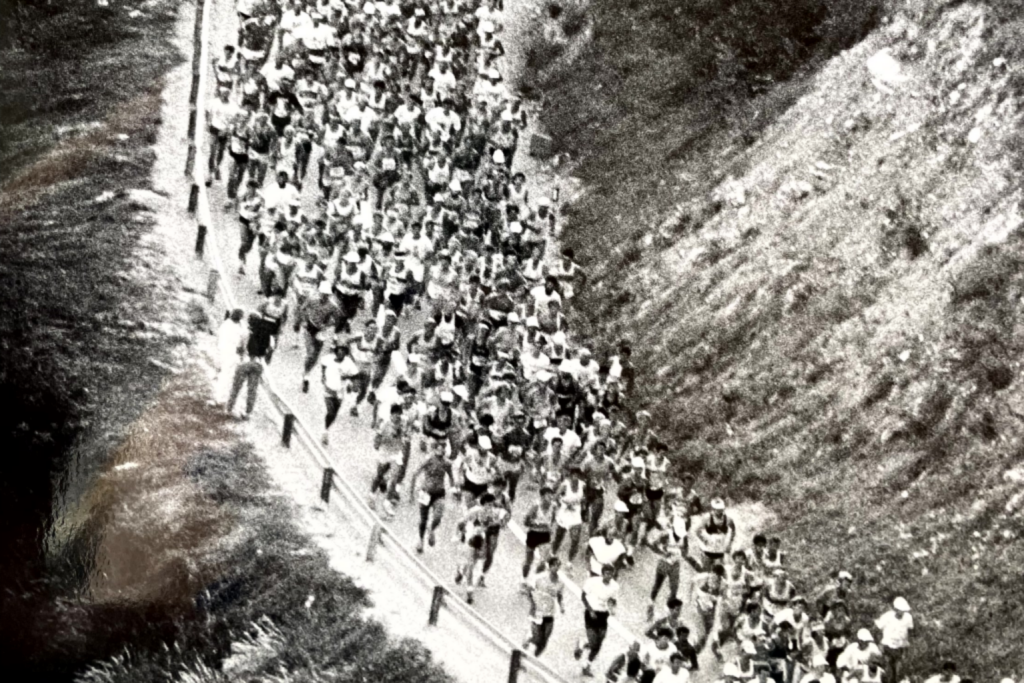
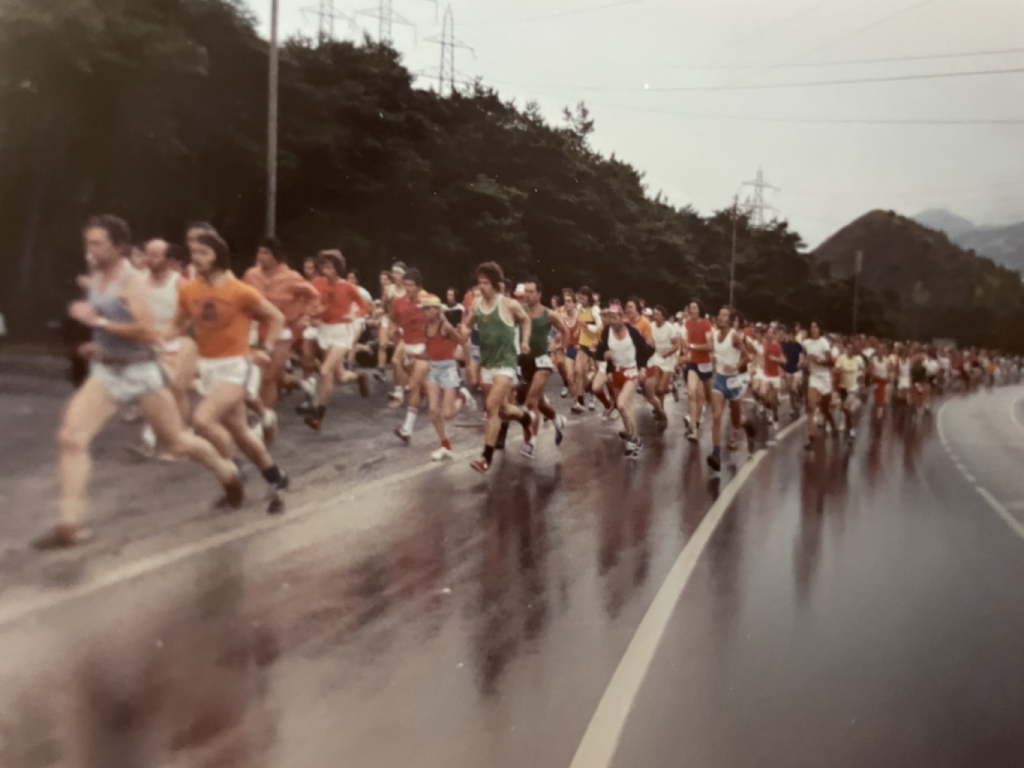
Fifty-two years ago, when mathematician Jean-Claude Pont first imagined a race linking Sierre and Zinal across 31 kilometres of Alpine trails, many thought he was crazy. Back in 1974, with mountain running still in its infancy in Europe, proposing such a route was a truly revolutionary idea. More than half a century later, that visionary concept has transformed Sierre-Zinal, known as The Race of the Five 4,000-Metre Peaks, into one of the most iconic and prestigious events in global trail running.
On August 8, the Golden Trail World Series (GTWS) will return to Sierre-Zinal for the fifth race of the season. A fixture on the calendar since the inception of the series, the legendary Swiss race will also mark the final European stop before the decisive Asian triple-header that will determine the battle for the 2026 GTWS title.
FROM MATHS TO PATHS: THE BIRTH OF SIERRE-ZINAL
Jean-Claude Pont, a PhD in Mathematics, Professor of the History and Philosophy of Science at the University of Geneva, and a certified Swiss mountain guide, once envisioned a race through the spectacular mountains of the Anniviers Valley.
His goal was to showcase and celebrate the extraordinary alpine landscape of a region that had fascinated him since childhood. The course naturally links the villages of Sierre and Zinal through an alpine traverse along trails originally used for seasonal livestock migration.
“The course is simply exceptional,” explains Vincent Theytaz, the race’s Director of Development and Strategy. From the very beginning, the event was known not only as Sierre-Zinal but also as “The Race of the Five 4,000-Metre Peaks,” a reference to the five mountains rising above 4,000 metres that can be seen along the route: Weisshorn (4,506m), Zinalrothorn (4,221m), Obergabelhorn (4,063m), the Matterhorn (4,478m), and Dent Blanche (4,357m).
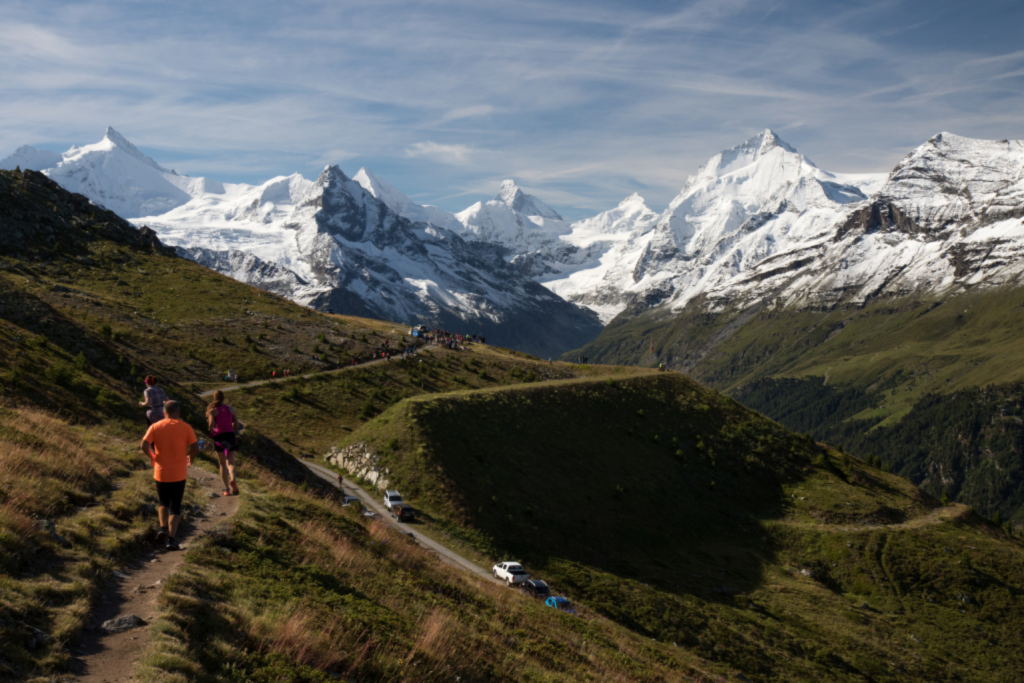
Sierre-Zinal combines “history, beauty, performance and emotion,” says Theytaz. “There is a unique atmosphere throughout the entire course, created by the villages, the volunteers and the spectators. The race has grown internationally without ever losing its human and authentic spirit. The people of our region have the resilience and determination of mountain communities, but they also enjoy opening themselves up to the world and sharing a common project,” he adds.
THE CATHEDRAL OF TRAIL RUNNING
A victory at Sierre-Zinal can transform an athlete’s legacy. Often referred to as the “Cathedral of Trail Running,” it is one of those races that every runner dreams of winning and one of the most fiercely contested events in the world.
Each edition attracts one of the strongest fields in international trail running. Thanks to the unique nature of its course – also nicknamed “Fast and Furious”, Sierre-Zinal is considered the fastest race on the GTWS calendar despite its 2,200 m of climbing, thanks to its long runnable sections and extremely fast final descent – the race brings together not only the very best trail runners, but also elite athletes from track and road.
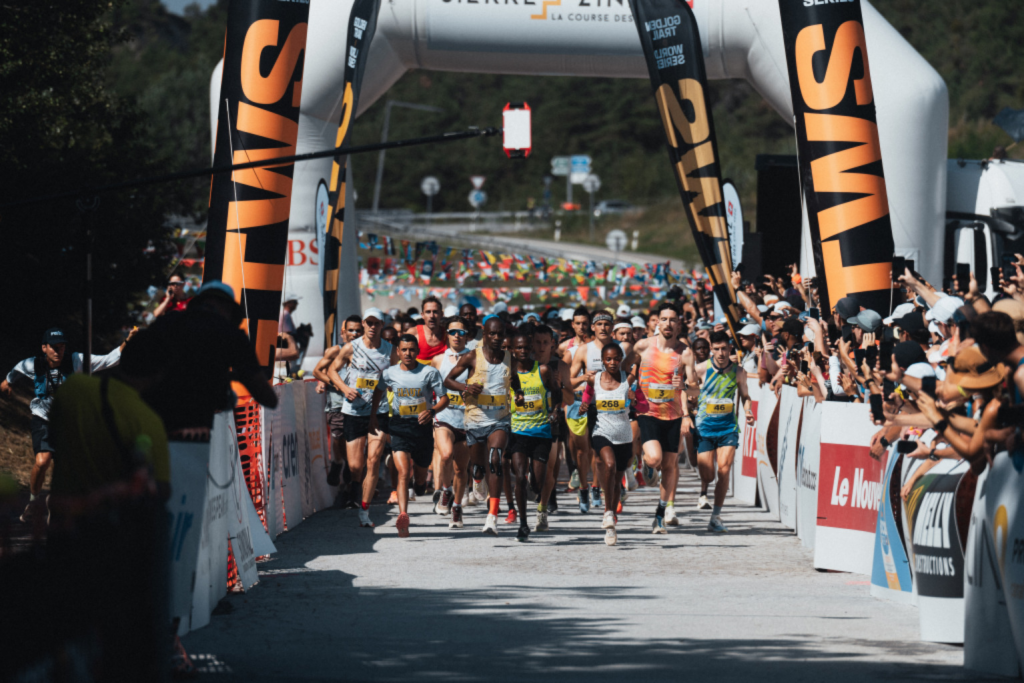
Sierre-Zinal has been part of the GTWS every year since the circuit was created (with the exception of 2020 due to the global pandemic). “Being part of the Golden Trail World Series has encouraged us to keep improving the experience for athletes, spectators, media and sponsors, while preserving the authenticity that makes our race so special. Some athletes come to our event because of the race’s reputation, while others discover Sierre-Zinal through their interest in the GTWS. This creates a mix of athletes from which both organisations benefit,” says Theytaz.
Kilian Jornet is one of the runners who has helped shape the race’s modern history, with 10 victories to his name. “What I love about Sierre-Zinal is that it’s one of those races with a true history: 53 editions and the same course since the 1970s. Every generation of mountain runners has raced here, on exactly the same route. And on top of that, it’s a beautiful race. Although you probably can’t fully appreciate the landscape while racing at that intensity, this valley is one of the most stunning in the Alps,” the Spanish athlete said when announcing his plans for 2026.
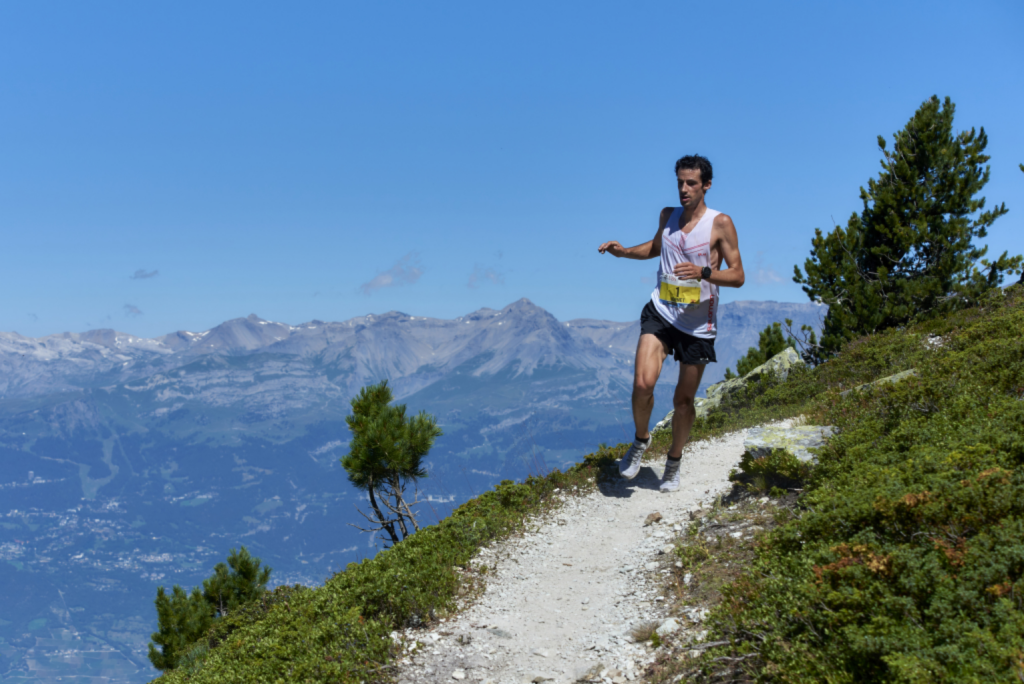
However, last week Jornet announced that he will not be on the start line this year as he continues to recover from the injuries that have affected him throughout the season, bringing an end to hopes of another chapter in his remarkable Sierre-Zinal legacy.
WHERE THE WORLD’S BEST COME TO MAKE HISTORY
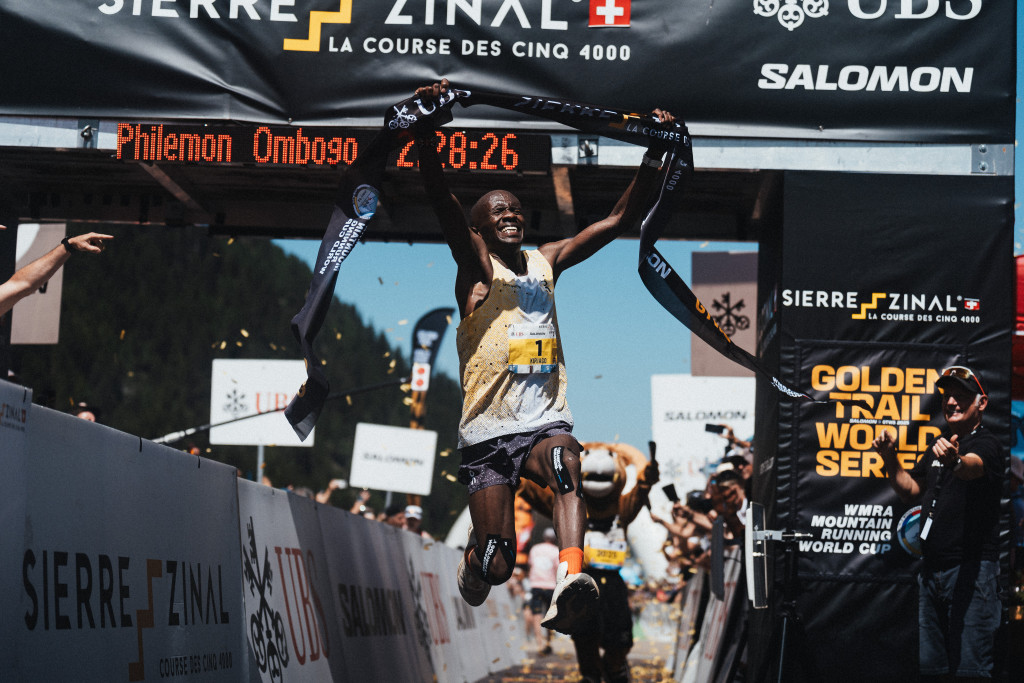
If winning Sierre-Zinal is an achievement reserved for only a handful of athletes, winning it more than once places a runner among an even more exclusive group. One of those athletes is Philemon Kiriago (Run2Gether On Trail), the race winner in 2023 and 2025. In 2024, the Kenyan came within just one second of breaking the course record and defeating Kilian Jornet in a sprint finish that will go down in trail running history.
Kiriago returned to the top step of the podium last year, claiming his second Sierre-Zinal victory as Run2Gether On Trail swept the men’s podium. “It’s my favourite race in Europe and the longest one I’ve ever done. I like that it’s the same course every year: demanding at the start and very fast afterwards. I’ll be back again in 2026 to fight for the win, and we hope to dominate the podium once more,” says the defending champion.
The course starts in Sierre, at an altitude of 560 metres, and winds through the spectacular scenery of Switzerland’s Valais Canton. The opening 11 kilometres feature the race’s toughest section, with more than 1,420 metres of climbing. From there, the route becomes a fast-undulating traverse, continuing to gain elevation until reaching Nava at 2,424 metres, the highest point of the course. Along the way, runners pass through some of trail running’s most iconic landmarks, including Ponchette, Chandolin and the historic Hotel Weisshorn. From Nava, the route descends almost continuously towards Zinal, located at 1,675 metres above sea level. The race reaches its climax in the explosive final kilometre, where sprint finishes are far from uncommon.
The course has remained unchanged since its creation, allowing generations of athletes to compare performances and records across decades. Sierre-Zinal even features its own Walk of Fame, dedicated to the athletes who have broken the barrier of 2 hours 40 minutes in the men’s race and 3 hours 10 minutes in the women’s event.
Swiss runner Maude Mathys (Asics), a four-time Sierre-Zinal champion, set the women’s course record in 2019 with a time of 2:49:20. Meanwhile, Kilian Jornet (NNormal) established the men’s course record in 2024, stopping the clock at 2:25:34.
Today, Sierre-Zinal welcomes more than 6,800 runners from over 70 nationalities across its “Runner” (timed and competitive) and “Tourist” (untimed and non-competitive) categories, earning it the nickname of the “New York Marathon of Trail Running.”
“The Golden Trail World Series has taken the race to another level internationally. It has significantly increased the visibility of Sierre-Zinal beyond Switzerland and helped establish the event as one of the benchmark races in global trail running,” say the organisers.
ALL ROADS LEAD TO SIERRE-ZINAL
The GTWS will return to Sierre-Zinal on 8 August, with the race broadcast live across WBD’s platforms (HBO Max,Eurosport and TNT Sports), as well as through an extensive network of official broadcasters worldwide.
Defending champions Philemon Kiriago and Caroline Kimutai (Salomon) are expected to line up once again to defend titles that many of the world’s best trail runners dream of claiming.